
Describe the property
Send the location, symptoms, equipment and access details. State whether the work is a repair, replacement or planned project.
Need duct cleaning in Aurora? Tell us which air ducts, dryer vent or ventilation equipment need attention. A responding provider will confirm coverage and availability before booking.
Get A Free QuoteCompare which supply and return runs are included, how debris will be contained, and whether the proposed work documents accessible sections before and after cleaning.
View scopeCheck whether the scope follows the vent from the dryer connection through bends to the exterior hood, with an airflow check after cleaning.
View scopeAsk which components are included, such as the blower assembly and evaporator coil, and how controls and sensors will be protected during access.
View scopeCompare service for the HRV core, screens, filters and condensate path with separate cleaning of bathroom fan and range-hood exhaust runs.
View scopeIdentify the odour and request an inspection first. If treatment is proposed, review the product label, application area and re-entry guidance.
View scopeDocument suspected leaks, return joints, rusted boots or crushed flex duct, then compare inspection findings with the proposed sealing or repair.
View scopeRequest a site-based scope naming rooftop or make-up air equipment, included runs, access needs, operating constraints and handover records.
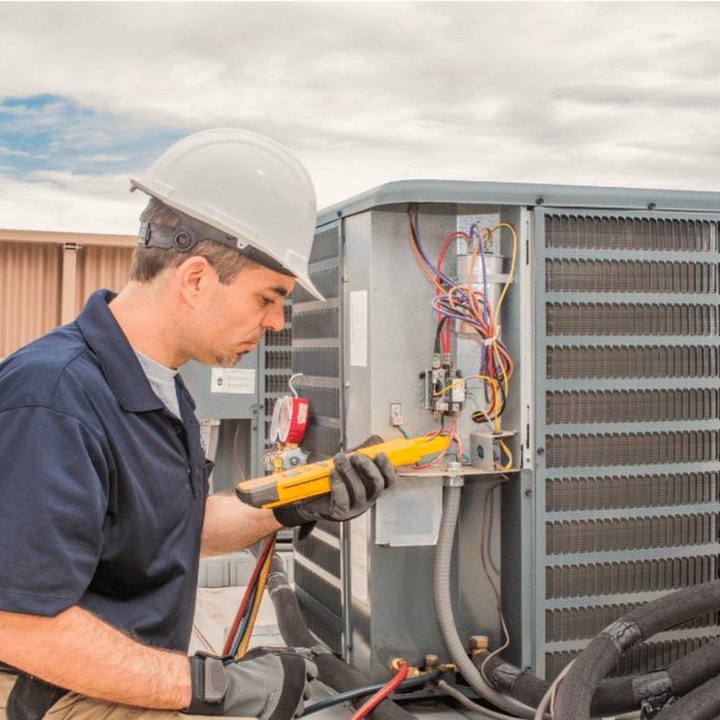
View scopeFor a commercial duct cleaning project in Aurora, document the premises, operating hours, affected zones and equipment types, including rooftop units or make-up air systems. Ask for a site inspection and a written scope that identifies included duct runs, access requirements, scheduling assumptions and any exclusions. If work must avoid clinic, restaurant, studio or daycare operating periods, provide those constraints early. Request before-and-after photographs and a written record so the property representative can review the completed scope.
Compare which supply and return runs are included, how debris will be contained, and whether the proposed work documents accessible sections before and after cleaning. Check whether the scope follows the vent from the dryer connection through bends to the exterior hood, with an airflow check after cleaning. Ask which components are included, such as the blower assembly and evaporator coil, and how controls and sensors will be protected during access.
Compare service for the HRV core, screens, filters and condensate path with separate cleaning of bathroom fan and range-hood exhaust runs. Identify the odour and request an inspection first. If treatment is proposed, review the product label, application area and re-entry guidance.
Document suspected leaks, return joints, rusted boots or crushed flex duct, then compare inspection findings with the proposed sealing or repair. Request a site-based scope naming rooftop or make-up air equipment, included runs, access needs, operating constraints and handover records.
For dryer vent cleaning in Aurora, identify where the dryer connects to the vent and where the duct exits outdoors. If the route passes through finished walls or ceilings, note any known bends or unusually long sections; those details can change access and cleaning scope. Photograph the exterior hood and the dryer connection if safely accessible. Ask whether the entire run, including bends and the outlet, will be cleared, and whether airflow will be checked after the work.
Explore this serviceSend the location, symptoms, equipment and access details. State whether the work is a repair, replacement or planned project.
The request is reviewed so the responding provider can clarify the work, property access and service coverage.
Agree the provider identity, qualifications, written scope, pricing and visit window directly. Sending a form does not confirm an appointment.
If a return duct passes through a basement or another dusty area, ask whether its joints and connections will be checked for leakage. Return-side gaps can draw air from outside the intended path, but their presence should be confirmed rather than assumed. Knowing which return sections are included makes the repair scope easier to compare.
Ask for an inspection-based description of rooftop units, make-up air equipment and long duct runs, including exclusions and access assumptions. Compare proposals by the equipment and sections named, not just the overall label of the service. Differences in system layout can change labour and access requirements, so the written scope should explain the basis for the work.
If leaves, pollen or other seasonal debris collect near a return grille, photograph the area and ask whether the return path and nearby duct sections need inspection. Debris at one grille does not establish the condition of the whole system. This check helps distinguish a local buildup from a wider cleaning scope.
Before arranging work, note visible lint around the dryer connection and photograph the area if it is safely accessible. Ask how the connection will be handled and whether lint will be removed from the full vent route. Lint buildup can restrict exhaust, so knowing which sections are included helps clarify the work required.
If the home has an HRV, ask whether the core, screens and condensate path will be inspected and cleaned, and whether the manufacturer's guidance affects the method. Share the unit model and photograph visible labels. Core access and drain condition change the scope; cleaning should not be described as restoring a particular performance figure without measurement.
Use the form to describe the property, the symptoms and the work requested. For Newmarket, Oak Ridges, King City, Richmond Hill, include your postal code so local coverage can be checked.
For a property in Aurora and York, describe the work and access details in the form. The listed locations do not confirm a provider's travel range or availability.